Endoscopy and Colonoscopy in Guntur: Cost, Preparation, Sedation and What Your Report Means
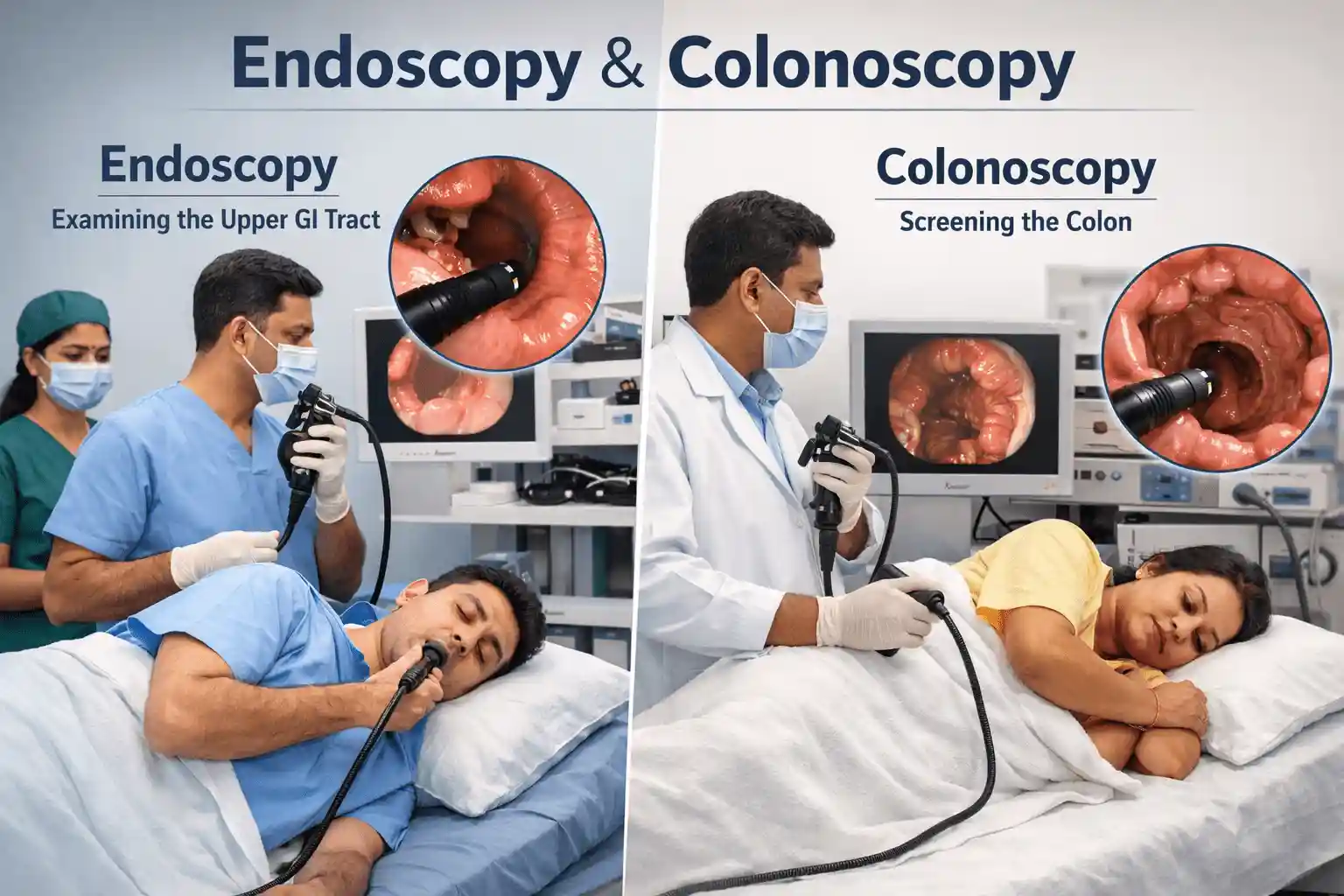
Endoscopy and colonoscopy are important procedures used to examine the digestive tract. Upper GI endoscopy examines the oesophagus, stomach and duodenum, while colonoscopy examines the large intestine.
When might an upper GI endoscopy be recommended?
- Persistent acidity or heartburn
- Burning stomach pain
- Difficulty swallowing
- Vomiting blood or black stools
- Unexplained weight loss
- Persistent appetite loss
- Unexplained anaemia
- Suspected H. pylori or ulcer disease
- Assessment of oesophageal varices
When might colonoscopy be advised?
- Blood in stool
- Persistent bowel-habit changes
- Chronic diarrhoea
- Alternating diarrhoea and constipation
- Persistent lower abdominal pain
- Iron-deficiency anaemia
- Suspected inflammatory bowel disease
- Colorectal cancer screening according to risk
How is endoscopy performed?
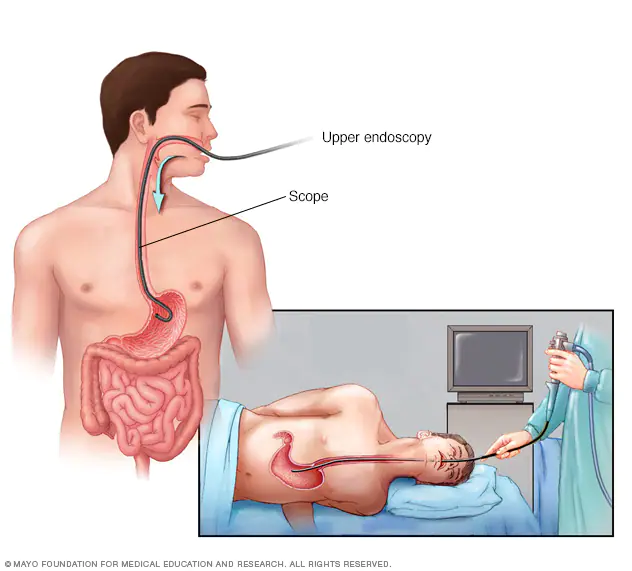
During upper GI endoscopy, a flexible camera is guided through the mouth to examine the upper digestive tract. Depending on the procedure, sedation and throat-numbing medication may be used.
Preparation
Patients generally need to fast before an upper endoscopy. Colonoscopy requires bowel preparation according to the instructions provided by the medical team.
Understanding your report
Reports may mention gastritis, erosions, hiatus hernia, ulcers, polyps, haemorrhoids, varices or biopsy findings. Your doctor should interpret these findings in relation to your symptoms and medical history.